Yakushima's Illusion
France, Belgium, Luxembourg, Japan
|
2026
|
Color
|
122 min

This directory compiles the glossaries from all editions of Cines del Sur: eleven already held and the twelfth currently underway. It serves as a living memory of the festival, its films, guests, sections, and spaces for reflection on the cinemas of Africa, Asia, Latin America, and the Arab world. Here you can trace the evolution of its programming, rediscover filmmakers, and follow the thematic threads that have defined Cines del Sur's identity as a meeting point for cultures, perspectives, and ways of understanding cinema from the Global South.
The film follows Corry, a young French woman specializing in pediatric heart transplant coordination. Trained in Parisian hospitals, she is assigned to Japan with the mission of helping to modernize a medical department where organ donation remains a delicate matter surrounded by social taboos. In an environment marked by cultural distance and emotional barriers, Corry faces daily pressure to secure the transplant that could save the life of a twelve-year-old child, while discovering the extent to which illness, death, and hope take on different meanings depending on the place and the people experiencing them. Meanwhile, the young woman tries to find her missing partner — one of the thousands of people who disappear in Japan each year without a trace, known as johatsu.
Technical Details
Direction:
Naomi Kawase
Cinematography:
Arata Dodo, Masaya Suzuki
Language:
Japanese
Production:
Renan Artukmaç, Charlotte Dauphin, Julien Deris
Sound:
Eiji Mori
Subtitles:
Spanish subtitles
Screenplay:
Naomi Kawase
Editing:
Tina Baz
Cast:
Vicky Krieps, Kanichiro, Ojiro Nakamura, Misaki Kakano, Haruto Tsuchiya
Director
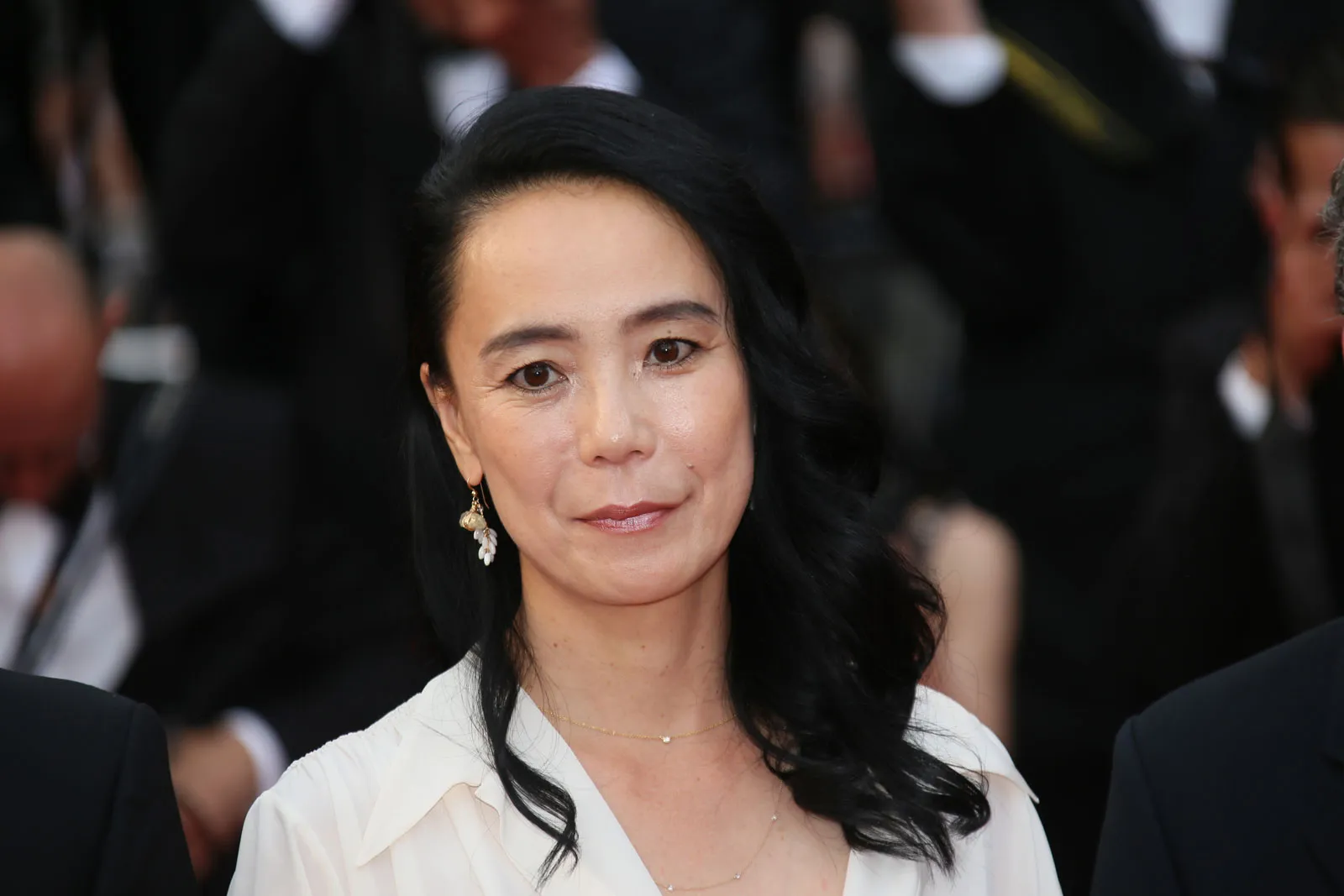
Naomi Kawase
Born and raised in Nara, Japan, Naomi Kawase graduated in Visual Arts from Osaka in 1989, beginning a filmmaking career deeply marked by memory, intimacy, and the observation of human connections. Her early documentary works, Embracing and Katatsumori, garnered international recognition and awards at the Yamagata International Documentary Film Festival in 1995, establishing a unique authorial voice in contemporary Japanese cinema from a very early stage. In 1997, she debuted her fiction feature film Suzaku, becoming the youngest filmmaker to receive the Caméra d’Or at the Cannes Film Festival. Since then, her relationship with the French festival has been constant and distinguished: in 2007, she won the Grand Prix du Jury for The Mourning Forest, and two years later, she received the Carrosse d’Or at Cannes.